The Undulating Rhythms of Gujarat's Poetic Soul
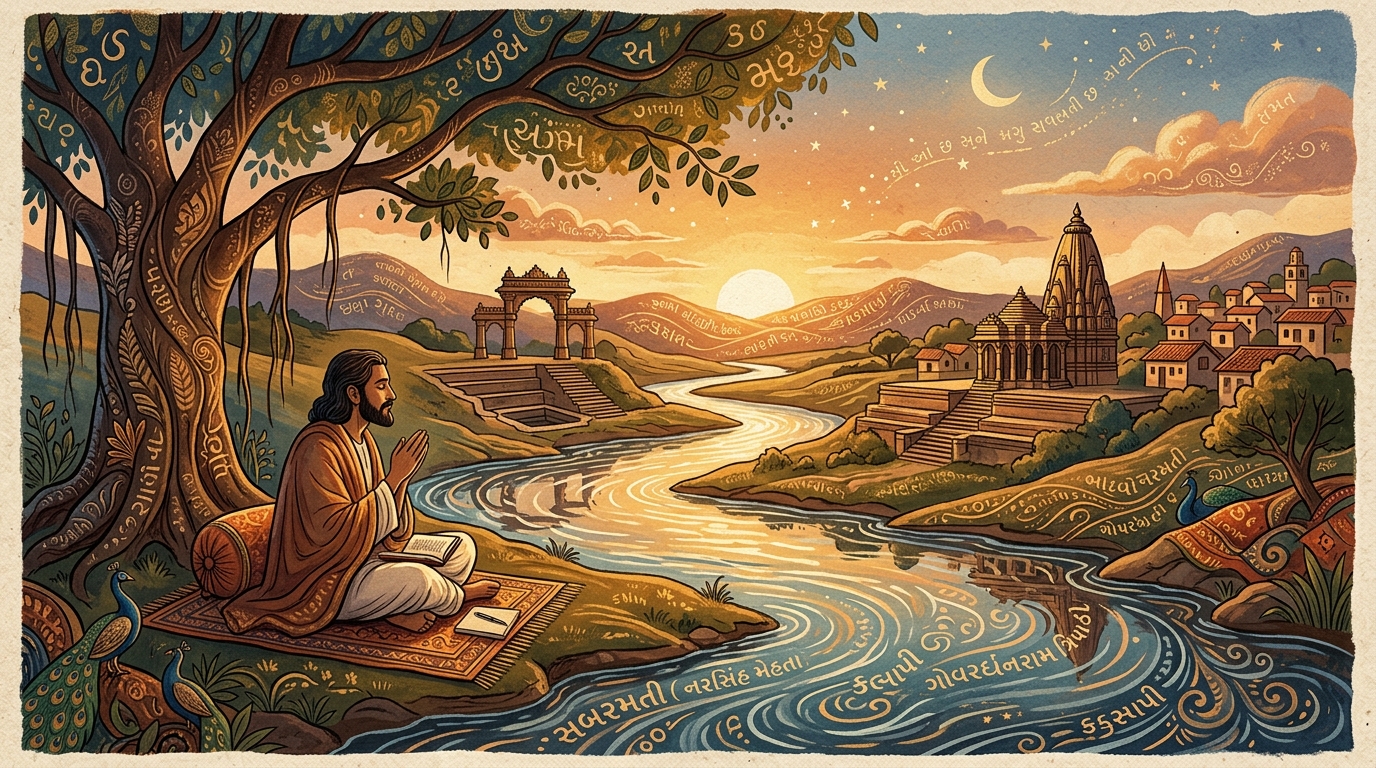
India is a land steeped in diverse linguistic and literary traditions, each narrating tales of its people, culture, and ethos. Among these rich traditions, Gujarati poetry stands out with its unique blend of devotion, social commentary, romance, and folk wisdom. For any true aficionado of Indian literature, exploring the voices that have shaped Gujarati verse is an enriching journey, offering profound insights into the human condition and regional identity.
Why Gujarati Poetry Matters: A Mirror to Society and Self
Gujarati poetry isn't merely a collection of verses; it's a living, breathing testament to the resilience, creativity, and spiritual depth of the Gujarati people. From devotional hymns to stirring patriotic anthems and introspective ghazals, these poets have articulated the collective consciousness and individual aspirations across generations. Their works provide a unique lens through which to understand the cultural evolution of a vibrant region within India, making them indispensable for a comprehensive appreciation of Indian literary heritage.
Kalapi: The Princely Poet of Romance and Reflection
Sursinhji Takhtasinhji Gohil, better known by his pen name Kalapi, remains one of the most beloved figures in Gujarati poetry. His ghazals, known for their lyrical beauty and profound emotional depth, often explore themes of love, loss, nature, and philosophical introspection. Kalapi's distinct style, marked by its simplicity and sincerity, has earned him a revered place in Gujarati literature. Consider this poignant couplet from his ghazal, 'અમારી પિછાન' (Our Identity), which beautifully encapsulates a sense of humility and contentment:
જહાંથી જે થયું બાતલ અહીં તે છે થયું શામિલ;
અમે તો ખાકની મૂઠી ભરી રાજી થનારાઓ.
In this verse, Kalapi expresses a profound sense of acceptance and humility, stating: 'What was invalidated elsewhere, here has found its place; We are those who are content with just a handful of dust.' This couplet reflects a philosophical outlook, valuing inner peace and contentment over external validation or material pursuits, a recurring theme in his work.
Jhaverchand Meghani: The Bard of Saurashtra and the Voice of the People
Jhaverchand Meghani, revered as 'Rashtriya Shayar' (National Poet) by Mahatma Gandhi, was a towering figure in Gujarati literature, celebrated for his invaluable contribution to folk literature, patriotic songs, and social commentary. Meghani’s work beautifully captured the essence of rural life, the struggles of the common people, and the spirit of freedom. His ability to weave simple narratives into profound poetic expressions makes his work immensely accessible and impactful. For instance, in his poem 'ચૂંદડી' (Chundadi), he uses the metaphor of a scarf to evoke a sense of vulnerability and endurance:
વાયરા ઉપર પોઢતી ઓઢું. - ચૂંદડી
ચૂંદડી ચાર છેડલે ફાટી
This couplet translates to: 'Upon the wind I rest, and drape my chundadi, My chundadi, torn now at its four ends.' It paints a vivid picture of a simple garment, fragile yet enduring, perhaps symbolizing the spirit of the common person facing life's hardships. Meghani also beautifully captures domestic warmth, as seen in this line from 'માની યાદ' (Memory of Mother):
હતુતુતુની હડિયાપાટીમાં
માનો શબદ સંભળાય-
Meaning: 'In 'hatututu's' wild, chaotic chase, The mother's word finds its familiar space.' This evocative imagery highlights the comforting, guiding presence of a mother even amidst chaos. His patriotic fervor is evident in 'હિન્દીજન' (Indian Folk), where he writes:
હિન્દુ કહે હું રહ્યો. અહિંસક, આત્મા મારો મર્દ ખરે. –હિન્દી જન.
પરદેશી પાડાઓ વચ્ચે ઝાડ બની ઊખડશું રે
Here, Meghani asserts, 'The Hindu declares, "I remained non-violent, my soul is truly brave," – so say the Indian folk. Amidst foreign buffaloes, we shall be uprooted, just like a tree.' This powerfully reflects the Indian spirit of non-violence in the face of oppression, juxtaposed with a grim recognition of vulnerability.
Narmad: The Pioneer of Modern Gujarati Literature
Though earlier than Kalapi and Meghani, Narmadashankar Lalshankar Dave, simply known as Narmad, is a foundational figure whose contributions ushered in the era of modern Gujarati literature. Often called the 'Father of Modern Gujarati Literature,' he was a prolific writer, poet, playwright, essayist, and reformer. Narmad's work was revolutionary for its time, challenging traditional norms and advocating for social change, education, and women's rights. His fierce patriotism and commitment to societal progress left an indelible mark, paving the way for future generations of Gujarati writers to explore new themes and forms.
The Enduring Emotional and Cultural Resonance
The poetry of Kalapi, Meghani, and Narmad, alongside many other eminent Gujarati poets, continues to resonate deeply with readers across India and beyond. Their verses are not just historical artifacts but living expressions of universal human emotions and cultural values. Whether it's the tender melancholy of Kalapi's ghazals, the spirited folk tales and patriotic songs of Meghani, or Narmad's pioneering calls for social reform, these poets capture the essence of what it means to be human and Gujarati. Their words offer solace, inspiration, and a sense of shared identity, fostering a connection to the rich literary heritage of Gujarat.
Modern Interpretation: Bridging Past and Present
In today's fast-paced world, the poetry of these masters offers a valuable opportunity for reflection and connection to our roots. Modern readers find themselves drawn to the timeless themes of love, spirituality, patriotism, and social justice that permeate their works. Interpreting these verses today allows us to understand the continuity of cultural values and the evolution of societal thought. Platforms like Sukhan AI help bridge this gap, making these classic works accessible and relatable to a new generation, ensuring their legacy thrives.
Explore More with Sukhan AI
To truly appreciate the depth and beauty of Gujarati poetry, there's nothing quite like experiencing it firsthand. Sukhan AI offers a curated collection of ghazals and poems from these legendary poets, allowing you to delve into their original texts, listen to recitations, and understand their nuances. Discover the rhythmic beauty and profound wisdom that has charmed generations of poetry lovers.