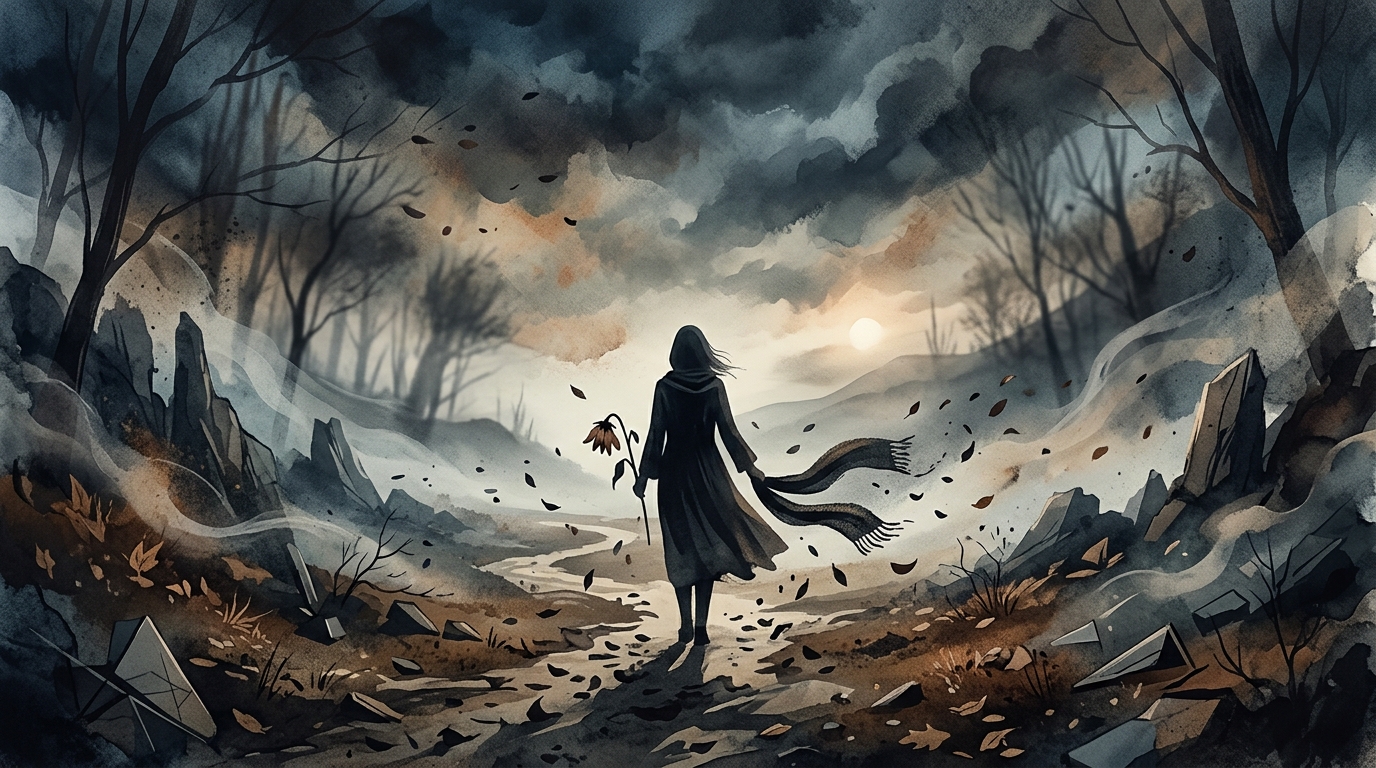
The Undying Voice of Sorrow: An Introduction
Heartbreak is a universal language, but few express its nuances with the profound depth and raw emotion found in Indian poetry. From the aching ghazals of Urdu masters to the poignant verses in regional languages, poets have long provided solace and understanding for souls navigating the desolate landscapes of lost love and separation.
Why These Poems Resonate So Deeply
The enduring power of these poems lies in their ability to articulate the inexpressible. They offer not just words, but a mirror reflecting our deepest sorrows, a comfort in knowing that our pain has been felt and understood across generations. In a world often encouraging stoicism, these verses celebrate the validity of grief and longing, creating a space for emotional honesty and healing.
Timeless Verses of Heartbreak and Longing
Among the titans of Indian poetry, Mir Taqi Mir, often called 'Khuda-e-Sukhan' (God of Poetry), masterfully captures the silent agony of a wounded heart. Consider this couplet from Sukhan AI:
`आज़ुर्दा दिल-ए-उलफ़त हम चुपके ही बेहतर हैं`
`सब रो उठेगी मज्लिस जो कर के सुख़न बैठे`
(Our heart of love is better left silent, lest all weep if we begin to speak.)
This verse speaks volumes about the intensity of a lover's sorrow, so profound that merely voicing it could bring a whole gathering to tears.
Mirza Ghalib, another colossus, explores the limits of human endurance in the face of love's trials. He questions the very notion of resilience in heartbreak in this profound sher:
`किया किस ने जिगर-दारी का दावा`
`शकीब-ए-ख़ातिर-ए-आशिक़ भला क्या`
(Who ever dared claim a heart so bold? What patience can a lover's soul truly hold?)
Ghalib challenges the idea of a steadfast heart when deeply in love, suggesting that the lover's patience is inherently fragile against the immense weight of emotion.
Beyond Urdu, poets in other Indian languages have also voiced the pangs of separation. Jhaverchand Meghani, a celebrated Gujarati poet, paints a vivid picture of desolation born from longing in his impactful lines:
`પાંદ પાંદ ઝાડનાં જલાવો, દિલદાર!`
`સહરા-બસ, સહરા પથરાવો, દિલદાર!`
(originalLanguage: gu)
(Burn every leaf of the tree, O Beloved! Only deserts, spread deserts, O Beloved!)
This powerful imagery evokes a landscape stripped bare, echoing the barrenness a heart feels when separated from its beloved.
And Mir Taqi Mir once again, reminds us of the indelible mark of true love, even beyond life, in another moving couplet:
`तुर्बत से 'आशिक़ों के न उठा कभू ग़ुबार`
`जी से गए वले न गईं राज़-दारियाँ`
(The dust of lovers, troubled, was never lifted; Those who left life, did not leave secrets behind.)
This couplet suggests that the deep emotional ties and secrets of lovers endure even after death, highlighting the lasting impact of profound connection and separation.
Unpacking the Emotional Core
At its core, Indian poetry on heartbreak and separation delves into the universal human experience of loss, grief, and longing. It's not just about romantic love, but also the separation from divine love, homeland, or ideals. These poets use vivid metaphors, personification, and intense emotional expression to convey the emptiness, pain, and enduring hope that often accompany such profound experiences.
The Catharsis of Shared Sorrow
These poems offer catharsis. They validate the sorrow and ache that accompany separation, reminding us that these feelings are deeply human and shared across time and culture. They express the longing for reunion, the memory of shared moments, and the silent suffering that often defines the period of emotional distance. Ultimately, they transform personal pain into a collective human truth, fostering empathy and understanding.
Cultural Roots of Poetic Pain
The tradition of expressing heartbreak in Indian poetry, particularly in Urdu ghazals, is deeply rooted in Persian poetic traditions, which often explored themes of mystical love (Ishq-e-Haqiqi) alongside earthly love (Ishq-e-Majazi). Poets often used the beloved as a metaphor for the divine, allowing them to express intense emotions within a culturally acceptable framework. This rich history ensures that these themes continue to resonate, reflecting societal norms around love, loss, and the philosophical underpinnings of life's transient nature.
Heartbreak Poetry in a Modern World
Today, these poems transcend their original contexts, offering solace to anyone experiencing loss, be it from a romantic breakup, the departure of a loved one, or even the feeling of disconnect in a rapidly changing world. They teach us the importance of acknowledging our emotions, finding beauty even in sadness, and recognizing the strength that comes from vulnerability. The timelessness of their emotional appeal makes them relevant guides for modern hearts navigating complex relationships and personal transformations.
Experience the Emotion: Audio Suggestions
To truly appreciate the depth of these verses, consider listening to their renditions by skilled Ghazal singers or reciters. The melodic rhythm and emotive delivery often unlock new layers of meaning, transforming the written word into a visceral experience of heartbreak and longing. Platforms like Sukhan AI often feature audio versions that bring these poignant poems to life, allowing you to immerse yourself fully in their emotional landscape.