The Agony and Ecstasy of Separation in Poetry
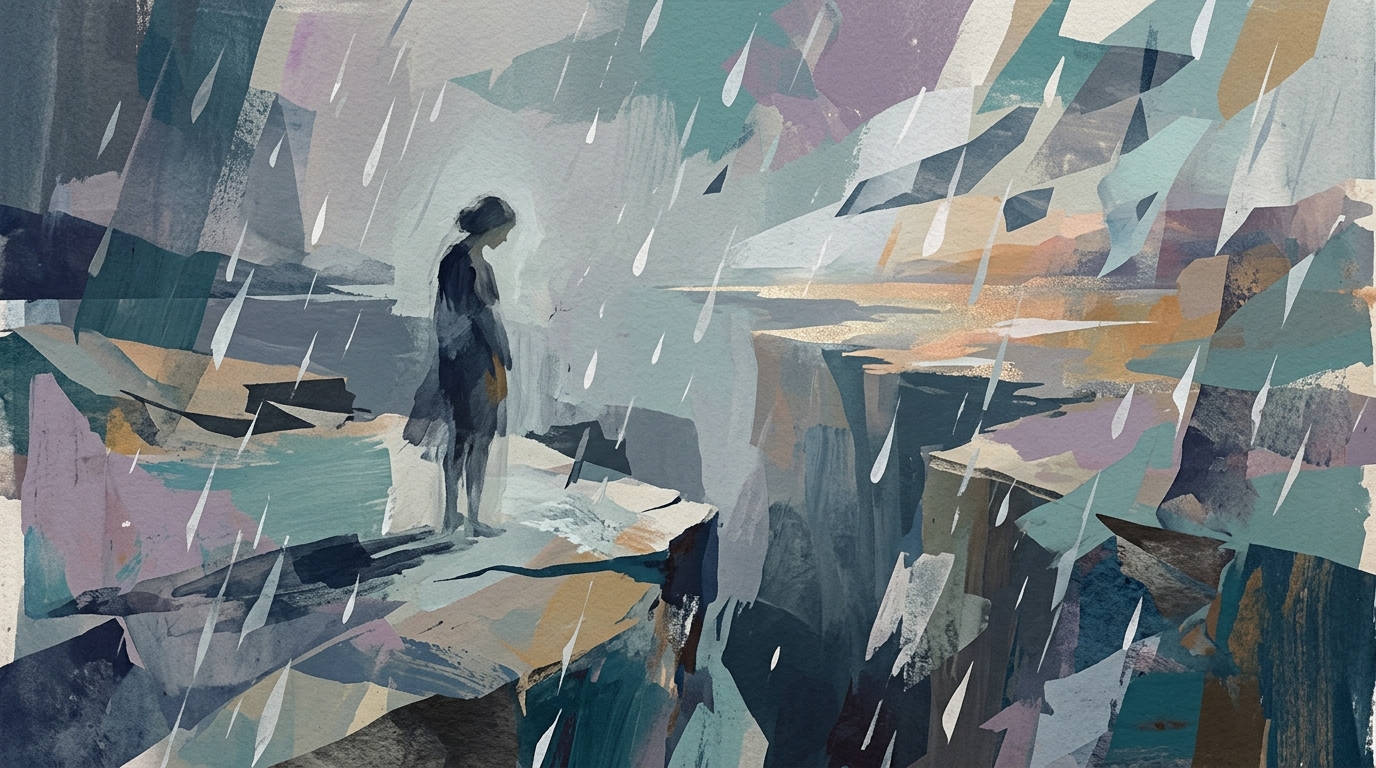
The human heart, in its vast capacity for love, also knows the profound depths of sorrow that come with separation and heartbreak. Across centuries, Indian poetry, particularly in the forms of ghazals and shayari, has served as a poignant repository for these complex emotions. From the subtle ache of longing to the raw pain of a shattered bond, poets have artfully articulated experiences that resonate universally, offering solace and understanding to countless souls navigating their own emotional landscapes. This tradition finds beauty even in suffering, turning heartbreak into an art form.
Why Heartbreak Matters in Indian Poetic Tradition
In Indian aesthetics, particularly within Sufi-influenced poetry, the pain of separation (firaq) is not merely a negative experience but often a path to deeper spiritual understanding or a testament to the intensity of love itself. This rich tradition treats heartbreak not as an end, but as a crucible for growth, a canvas for profound expression, and an undeniable aspect of the human condition. It explores themes of longing for the beloved, the agony of distance, and the enduring nature of affection even when unfulfilled. This perspective allows poets to delve into the nuances of human emotion with unparalleled depth and sensitivity, making these verses timeless.
The Uncontrollable Fire of Love: Ghalib's Wisdom
Mirza Ghalib, a titan of Urdu poetry, masterfully captures the overwhelming and uncontrollable nature of love, a force that often brings as much pain as joy. He reflects on how love defies logic and human will, often leading to unavoidable heartbreak. Consider this couplet that speaks volumes about love's irresistible power:
"इश्क़ पर ज़ोर नहीं है ये वो आतिश 'ग़ालिब'
कि लगाए न लगे और बुझाए न बने"
(Ishq par zor nahin hai ye vo aatish 'Ghalib' Ki lagāye na lage aur bujhāye na bane)
This couplet, from his ghazal "नुक्ता-चीं है ग़म-ए-दिल उस को सुनाए न बने", translates to: 'Over love there's no sway, Ghalib, it's that very fire, Which won't ignite if you try to, nor extinguish when you desire.' It succinctly expresses the futility of trying to control one's emotions in love, highlighting that the pain of separation or heartbreak is often an inevitable consequence of such a potent, unbidden force, an uncontrollable fire within the soul.
Iqbal on Distance and the Heart's Anguish
Allama Iqbal, a philosopher-poet, often infused his verses with deep emotional and intellectual insights. He eloquently conveys the feeling that physical or emotional distance can be akin to a profound loss for the heart, emphasizing the deep connection between proximity and vitality in love. His words resonate with anyone who has experienced the hollow ache of separation:
"हद-ए-इदराक से बाहर हैं बातें इश्क़ ओ मस्ती की
समझ में इस क़दर आया कि दिल की मौत है दूरी"
(Had-e-idraaq se baahar hain baatein ishq o masti ki Samajh mein is qadar aaya ki dil ki maut hai doori)
From his ghazal "ये पीरान-ए-कलीसा-ओ-हरम ऐ वा-ए-मजबूरी", this couplet means: 'The matters of love and ecstasy are beyond the limit of perception; I understood them so deeply that distance feels like death to the heart.' Iqbal illustrates that while the full scope of love might be beyond our grasp, its essence reveals that separation is a profound suffering, an existential threat to the heart itself, capable of extinguishing its very essence.
Enduring Affection in Failed Love: The Wisdom of Mariz
Mariz, a significant voice in Gujarati ghazal, offers a perspective on love that persists even in the face of failure or unfulfillment. His poetry suggests that true affection transcends the outcomes of a relationship, highlighting the enduring nature of love despite external circumstances. This profound sentiment speaks to the quiet strength found in unwavering devotion, even when love does not find its expected conclusion:
"નિષ્ફળ પ્રણય પણ એને મટાડી નહીં શકે,
તારા ભણી જે મમતા લગાતાર હોય છે."
(nishphal pranay pan ene mataadi nahi shake, taaraa bhani je mamataa lagaataar hoy chhe.)
From "Bas Durdshano Etlo Abhar Hoy Chhe", this couplet translates to: 'Even failed love cannot diminish or erase, The constant affection that for you finds its place.' Mariz beautifully articulates that heartbreak, while painful, does not necessarily extinguish the flame of genuine affection, offering a nuanced view of love's resilience against the tide of separation and disappointment.
The Relief Found in Love's Trials: Mir Taqi Mir's Perspective
Mir Taqi Mir, often called 'Khuda-e-Sukhan' (God of Poesy), explores the paradoxical nature of suffering in love. While love brings 'zillat' (humiliation), 'khiffat' (disgrace), and 'tohmat' (accusation), there is a certain relief found when one fully embraces this challenging journey. The act of giving oneself completely, even to the point of 'passing through life' in love's desert, can lead to a strange sense of peace. He expresses this with stark honesty:
"क्या कफ़-ए-दस्त एक मैदाँ था बयाबाँ इश्क़ का
जान से जब उस में गुज़रे तब हमें राहत हुई"
(Kya kaf-e-dast ek maidan tha bayabaan ishq ka, jaan se jab us mein guzre tab hamein raahat hui)
This couplet from "इश्क़ में ज़िल्लत हुई ख़िफ़्फ़त हुई तोहमत हुई" asks: 'Was the palm of the hand a desert field of love, when the life passed through it, then did we find relief?' Mir suggests that true relief in the face of love's tribulations, including heartbreak and separation, comes not from avoiding the pain but by fully traversing its arduous terrain, hinting at a profound acceptance that transcends mere suffering and leads to an unexpected calm.
Modern Interpretations of Poetic Heartbreak
Even in contemporary times, the themes of heartbreak and separation articulated by classical Indian poets remain profoundly relevant. Modern readers find solace in these verses, recognizing their own experiences of lost love, distant relationships, or unfulfilled desires reflected in the timeless words of Ghalib, Iqbal, Mir, and Mariz. These poems offer not just emotional validation but also a cultural bridge, connecting today's struggles with a rich heritage of emotional expression. They remind us that the pain of separation is a shared human experience, transcending generations and geographies, and that poetry provides an eloquent language for this universal sorrow, allowing us to find echoes of our own stories in ancient verses.