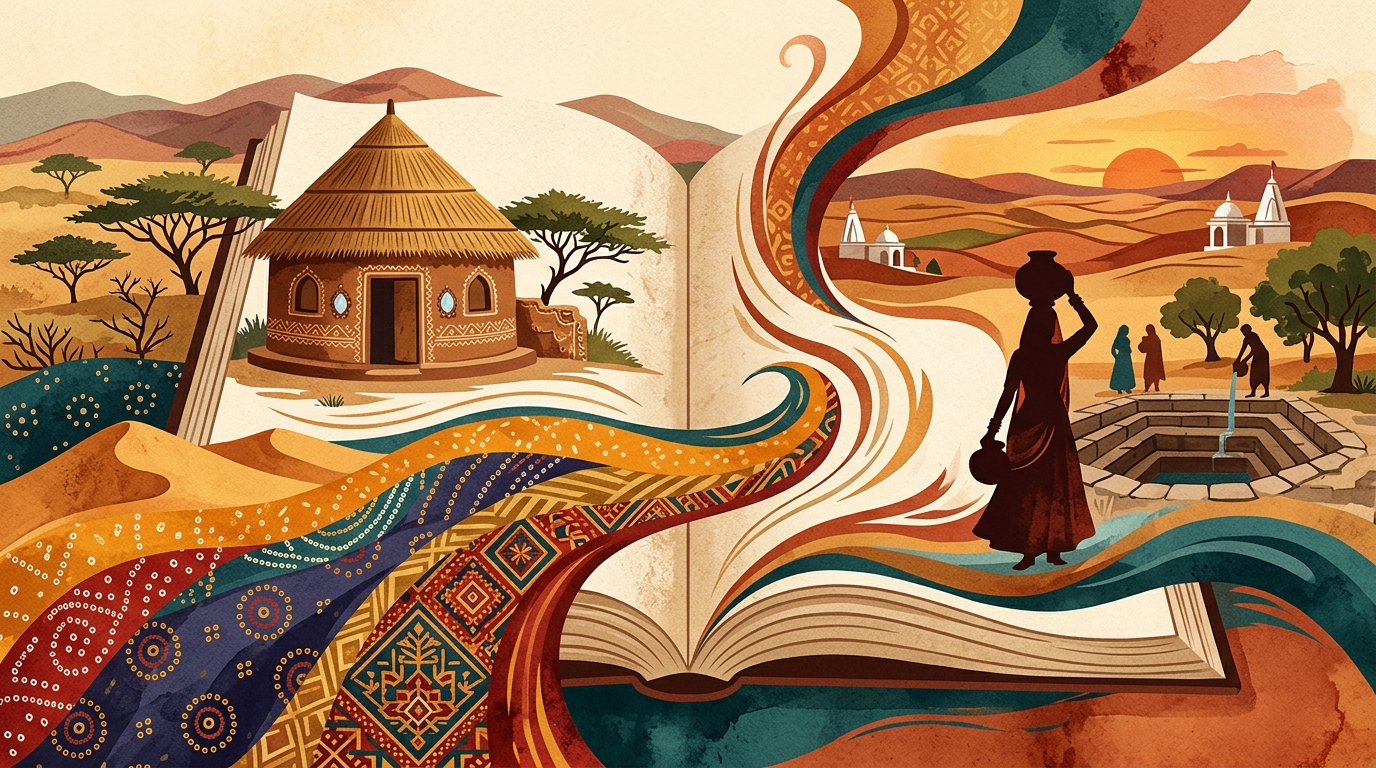
An Introduction to Gujarat's Poetic Tapestry
India's literary landscape is a vibrant tapestry woven with countless threads of regional languages and their unique poetic traditions. Among these, Gujarati poetry shines with a distinct brilliance, offering a rich repository of emotions, wisdom, and cultural insight. For any true admirer of Indian literature, delving into the verses of Gujarat's legendary poets is an enriching journey that promises profound reflection and immense pride.
Why Gujarati Poetry Matters for Every Indian Poetry Lover
Gujarati poetry, often overlooked by those unfamiliar with the language, is a powerful vehicle for exploring universal human experiences through a distinctly Gujarati lens. It encompasses a vast spectrum, from philosophical musings to passionate romanticism, from stirring calls for social reform to poignant observations of daily life. The works of its stalwarts have not only shaped the Gujarati identity but also resonate with themes that transcend linguistic boundaries, offering profound lessons and aesthetic pleasure to a global audience.
Narmad: The Pioneer of Modern Gujarati Literature
Often hailed as the 'Father of Modern Gujarati Literature,' Narmad (Narmadashankar Lalshankar Dave) was a revolutionary figure whose writings dared to challenge tradition and usher in an era of reform. His contributions spanned essays, plays, and poetry, marking a significant departure from medieval forms. Narmad's poetry is characterized by its directness, social consciousness, and a fervent desire for progress. Consider this poignant couplet from his work 'વનવર્ણન' (Wanwarnan):
`જોગી હર્ષે ચિંતન કરતા સચ્ચિદાનંદનું ને,`
`દુ:ખી અજ્ઞાઃ મરણ ઈછતા સુજ્ઞ તે રંગ જુએ.`
This translates to: 'The yogi joyfully contemplates Sachchidananda, While the sorrowful ignorant wish for death, the wise perceive the same hue.' Here, Narmad eloquently contrasts the spiritual joy of a yogi with the despair of the ignorant, suggesting that a profound understanding reveals a shared underlying truth in both life and death.
Kalapi: The Melancholy Prince of Amreli
Sursinhji Takhtasinhji Gohil, better known by his pen name Kalapi, was a princely poet whose lyrical verses are steeped in profound introspection and a melancholic romanticism. His ghazals, marked by their delicate imagery and heartfelt expressions, continue to enchant readers. Kalapi's poetry often explores themes of love, separation, and the ephemeral nature of life, all imbued with a deep personal pathos. One powerful couplet from his ghazal 'શરાબનો ઇનકાર' (Sharabno Inkar) exemplifies his emotional depth:
`સાકી! સનમ! પાછાં ફરો, ઠેલું તમારા હાથને;`
`ઇશ્કે જહાંમાં ઈશ્કનું આ જામ લેવાતું નથી.`
This translates to: 'O Saaki! Beloved! Turn back, I push away your hand; In this world of love, this cup of love cannot be taken.' This verse conveys a profound renunciation or a refusal to partake in a love that might be fleeting or unfulfilling, suggesting a deeper, perhaps unattainable, ideal of love.
Jhaverchand Meghani: The Bard of Saurashtra
Jhaverchand Meghani stands as a towering figure in Gujarati literature, revered as the 'Rashtriya Shayar' or National Poet of Gujarat. He dedicated his life to collecting, preserving, and popularizing the folk literature, songs, and traditions of Saurashtra. Meghani's poetry is a powerful voice for the common people, brimming with patriotic fervor, social justice, and a deep connection to the soil. His works often highlight the struggles and resilience of rural life, reflecting the vibrant spirit of Gujarat. Consider this poignant couplet from 'કસુંબીનો રંગ' (Kasumbino Rang):
`દુનિયાના વીરોનાં લીલાં બલિદાનોમાં`
`ભભક્યો કસુંબીનો રંગ;`
This translates to: 'In the vibrant sacrifices of the world's heroes, The kasumbhi hue blazed forth;'. The 'kasumbhi rang' (saffron hue) symbolizes sacrifice and valor, celebrating the courage of heroes. Another example from 'વીરડો' (Wirdo) showcases his connection to everyday life:
`વીરડાને કાંઠે કોણ કોણ બેઠું?`
`બેડલું બેઠું`
This translates to: 'Who is seated by the well's side? The water pot, it does abide.' This simple imagery evokes the quiet patience and essential role of a water pot at a village well, a symbol of life and sustenance. Meghani's ability to imbue everyday scenes with deeper meaning is truly remarkable.
Emotional Resonance and Modern Interpretations
The emotional depth embedded in Gujarati poetry, whether it's Narmad's progressive thought, Kalapi's yearning, or Meghani's earthy realism, speaks to universal human experiences. For modern readers, these poems offer a bridge to understanding the cultural nuances and historical context of Gujarat, while also providing timeless insights into love, loss, courage, and contemplation. The themes of social reform, national identity, and personal introspection found in these works remain remarkably relevant, encouraging reflection on contemporary societal issues and personal journeys.
Experience Gujarati Poetry Through Sound
To truly appreciate the rhythmic beauty and emotional resonance of Gujarati poetry, seeking out audio renditions is highly recommended. Many platforms feature recitations of classic works by Narmad, Kalapi, and Jhaverchand Meghani, allowing the listener to experience the musicality and profound impact of the original language, even if the full meaning requires a translation. Immersing oneself in the spoken word deepens the connection to these rich poetic traditions.